
How to Prepare for a Marriage-Based Green Card Interview

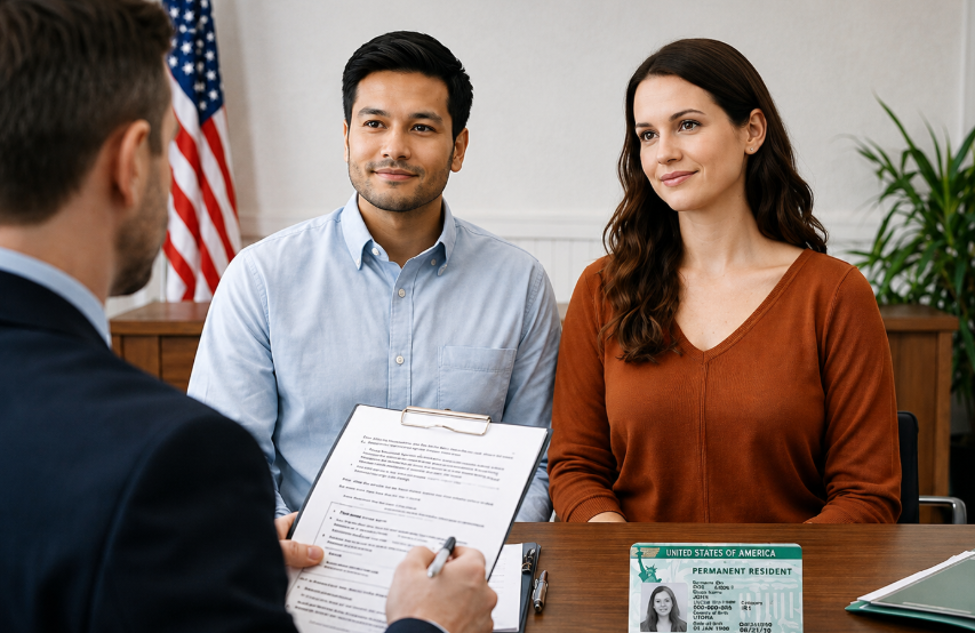
Applying for a marriage-based Green Card is an exciting milestone, but many couples feel nervous when it comes time for the interview. While it's completely normal to be anxious, proper preparation can make a significant difference in your experience and increase your confidence.
The purpose of the interview is for U.S. Citizenship and Immigration Services (USCIS) to confirm that your marriage is genuine and not entered into solely for immigration benefits. By understanding what to expect and preparing in advance, you can approach your interview with peace of mind.
Why Is the Marriage-Based Green Card Interview Important?
The Green Card interview is one of the final steps in the adjustment of status or immigrant visa process. During the interview, a USCIS officer will review your application, verify the information you submitted, and ask questions about your relationship.
In many cases, if the officer is satisfied that your marriage is legitimate and all eligibility requirements have been met, your Green Card may be approved shortly after the interview.
What Documents Should You Bring?
Before your interview, carefully review your appointment notice and gather all requested documents. Some of the most commonly required items include:
Government-issued photo identification.
Passports (current and expired, if requested).
Original birth certificates.
Original marriage certificate.
Visa and other entry documentation;
Recent tax returns.
Proof of joint financial responsibilities.
Additional evidence showing your marriage is genuine.
It's advisable to bring more supporting documentation than less. It’s important to have an attorney review your documentation before you turn it in to USCIS. We recommend hiring an attorney to attend the interview in order to facilitate a smooth interview.
Evidence That Helps Prove a Bona Fide Marriage
USCIS wants to see that you have built a real life together. Helpful evidence may include:
Joint bank account statements.
Joint lease or mortgage documents.
Utility bills showing both names.
Health, auto, or life insurance policies listing each other.
Joint tax returns.
Birth certificates of children together.
Photos from different stages of your relationship.
Travel records taken together.
Screenshots of messages or call history (when appropriate).
Affidavits from family members or friends who know your relationship.
The more your evidence reflects shared responsibilities and experiences over time, the stronger your case becomes. Also, each relationship is unique, so evidence varies from case to case.
Common Questions During the Interview
Every interview is different, but officers often ask questions about:
Your Relationship
How did you meet?
When did your relationship begin?
Who proposed?
When and where did you get married?
Who attended your wedding?
Where did you go on your honeymoon?
Your Daily Life
What time does your spouse usually leave for work?
Who cooks most often?
How do you divide household responsibilities?
What side of the bed does each person sleep on?
What did you do together last weekend?
Family and Personal Information
What are your spouse's parents' names?
Does your spouse have siblings?
What are your spouse's hobbies?
What is your spouse's birthday?
The officer is not looking for perfect answers—they want to see reactions, view how the couple responds, and ultimately determine whether your relationship is authentic.
Tips to Prepare Before the Interview
Review Your Application
Read through every form you submitted, including Form I-130 and Form I-485 (if applicable). Be familiar with the dates, addresses, employment history, and other information you provided.
Review Your Relationship Timeline
Discuss important milestones together, including:
First meeting.
Beginning of your relationship.
Engagement.
Wedding.
Major trips.
Moving in together.
Birth of children (if applicable).
This helps ensure both spouses remember key dates accurately.
Organize Your Documents
Place your documents in labeled folders so you can quickly find anything the officer requests.
Be Honest
Never guess answers. Best estimates can be ok, as long as you tell the officer it’s the best estimate.
Honesty is always better than providing incorrect information.
Arrive Early
Plan to arrive at least 30 minutes before your appointment to allow time for parking and security screening.
What Happens If You're Asked Difficult Questions?
Sometimes officers ask detailed or unexpected questions. This does not automatically mean something is wrong with your case.
If there are inconsistencies in your application, limited documentation, a significant age difference, previous immigration issues, or other factors requiring clarification, the officer may simply want additional information before making a decision.
Remain calm, answer truthfully, and avoid becoming defensive.
Can Couples Be Interviewed Separately?
Yes.
The officer may conduct separate interviews, asking each spouse similar questions independently and comparing the answers afterward.
While this can feel intimidating, it is simply another method USCIS may use to verify the authenticity of a marriage.
After the Interview
Following the interview, USCIS may:
Approve your Green Card.
Request additional evidence (Request for Evidence or RFE).
Continue reviewing your case before making a decision.
Schedule another interview if necessary.
Processing times vary, so don't be alarmed if you do not receive an immediate decision.
Conclusion
A marriage-based Green Card interview can seem overwhelming, but preparation is the key to success. Keeping your documents organized, reviewing your application carefully, and being honest during the interview can help the process go much more smoothly.
Every immigration case is unique, and professional legal guidance can make a meaningful difference when preparing for this important step. If you have questions about your marriage-based Green Card case or want assistance before your interview, the experienced immigration team at Mundo Legal is here to help you navigate the process with confidence.
📞 Connect with Us!
Reach out to our Facebook page if you need more ideas or resources. Follow us to stay up to date @AbogadaYeseniaTV and share this post with whoever wants to know more. You can also explore this site and share it, along with our contact: (909) 845-1183. To send your questions confidentially, you can do it here.
This website and blog constitute attorney advertising. Do not consider anything in this website or blog legal advice and nothing in this website constitutes an attorney-client relationship being formed. Set up a consultation with us before acting on anything you read here. Past results are no guarantee of future results and prior results do not imply or predict future results. Each case is different and must be judged on its own merits.


Comments